Assessment Report Delivery & Follow-Up for Environmental Consulting Firms
Last updated: March 2026
Overview
You just delivered a 75-page Phase I ESA report. Your consultant spent two weeks on site visits, research, and writing. The client received the PDF. Then nothing. No acknowledgment. No questions. No request for a Phase II proposal. Three months later, you learn they hired another firm for remediation.
This pattern repeats across the environmental consulting industry. Reports go out without confirmation that clients actually read them. Follow-up proposals arrive 14 days later — if they arrive at all. Meanwhile, client decision cycles for remediation stretch 30 to 90 days, and without structured touchpoints, your firm loses to competitors who simply stayed in front of the client.
The problem isn't your assessment quality. It's what happens after delivery. Small environmental firms average 2.5 employees, which means the consultant who wrote the report is also responsible for chasing follow-up. That work falls through the cracks. Automated delivery and follow-up changes this dynamic entirely — ensuring every report leads to a conversation, and every conversation has a path to the next engagement.
The Problem
Sixty percent of Phase I ESA reports go out with no structured follow-up whatsoever. The average gap between report delivery and follow-up proposal is 14 days — plenty of time for your client to call a competitor. Small environmental consulting firms win only 20-30% of their proposals, compared to 70-80% at well-organized firms. That gap isn't about technical skill. It's about who stays in front of the client during the 30-90 day decision window.
The Solution
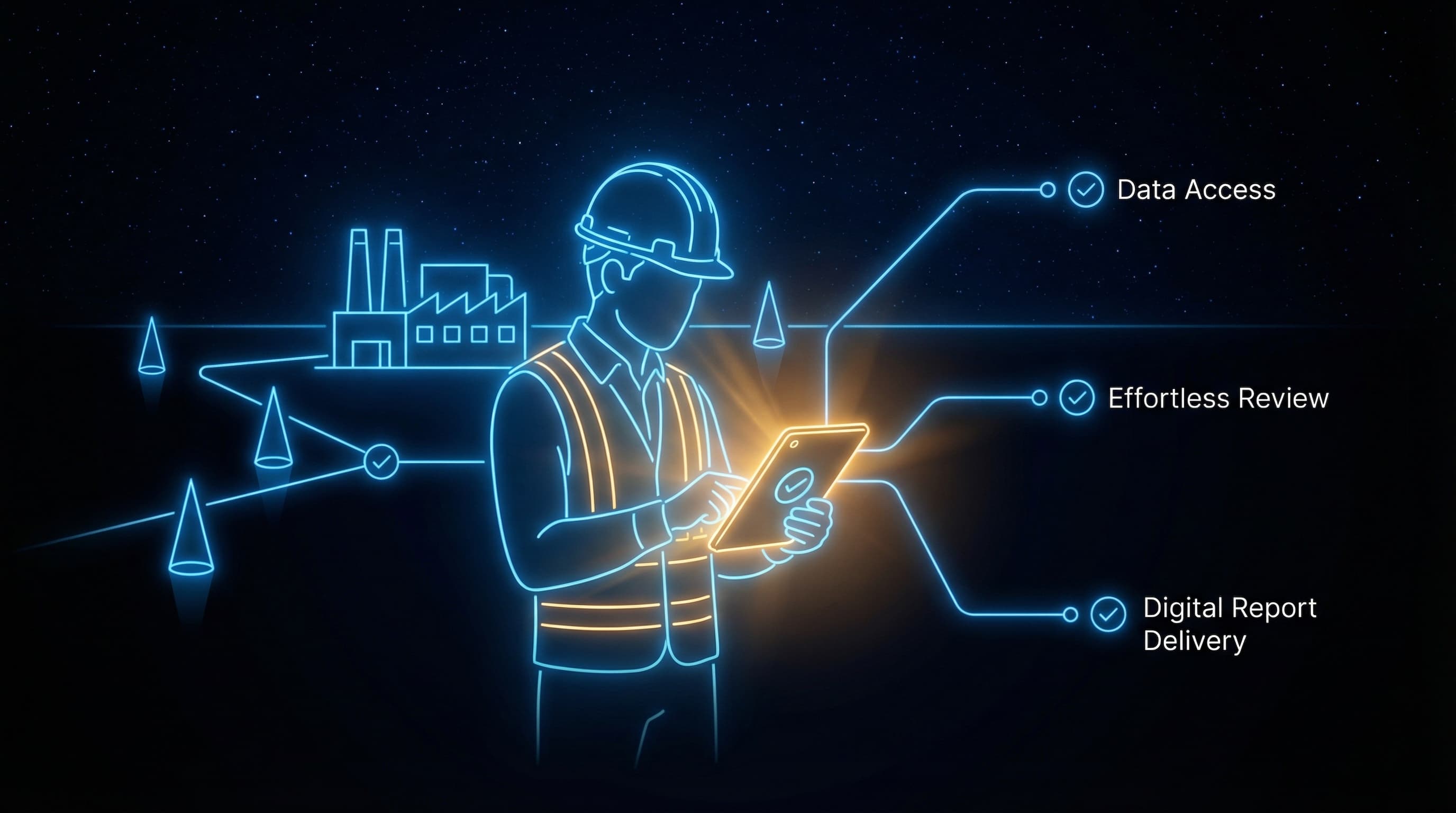
Elevasis automates the entire post-assessment workflow. When you finalize a Phase I ESA report, the system delivers it to your client with read tracking so you know exactly when they open it and which sections they review. Structured follow-up sequences trigger automatically at 7, 14, and 30 days with templated outreach tailored to the assessment findings. If the report flags recognized environmental conditions requiring Phase II work, a remediation proposal template populates with site-specific data — ready for your review and delivery within days, not weeks.
How It Works
- 1
Report finalization triggers automated delivery
When you mark an assessment complete in your project management tool, Elevasis packages the report and delivers it to the client with professional cover messaging. Read receipts confirm delivery and track engagement.
- 2
Read tracking reveals client priorities
The system monitors which report sections the client opens and how long they spend on each. If they focus on the remediation recommendations, you know they're evaluating next steps.
- 3
Follow-up sequences activate automatically
At 7, 14, and 30 days post-delivery, personalized follow-up messages go out based on report findings and client engagement patterns. No manual calendar reminders required.
- 4
Proposal templates populate from assessment data
If the Phase I report recommends Phase II sampling or remediation, a proposal template auto-fills with site details, scope items, and pricing frameworks. Your turnaround drops from weeks to days.
- 5
Activity syncs to your existing tools
All client interactions, proposal status, and follow-up completion log back to your project management system. You maintain a single source of truth without duplicate data entry.
Results
Firms using automated report delivery and follow-up reduce proposal turnaround from 14 days to 3 days on average. Follow-up completion rates jump from 40% to 100% — every client gets the full nurture sequence. Proposal win rates improve by 25%, and client decisions accelerate by 30 days because structured touchpoints keep the conversation moving.
Frequently Asked Questions
The system tracks all client replies and flags them for immediate attention. When a client responds to a follow-up message or requests revisions, the sequence pauses automatically and alerts your team. You handle the conversation personally, then resume automation once resolved.
Yes. Automation handles the default workflow, but you retain full control for sensitive clients or unusual situations. Manual sends still get logged and can trigger follow-up sequences if you choose. The system adapts to your preferences.
Elevasis supports multi-recipient delivery with individual read tracking for each stakeholder. You see which decision-makers engaged with the report and which ignored it. Follow-up messaging can target specific recipients based on their engagement level.
Most environmental consulting firms are live within 5-7 business days. Setup includes connecting your project management tool, configuring follow-up sequence templates, and importing your proposal frameworks. No technical staff required on your end.
Elevasis connects with common tools like Smartsheet, Monday.com, Asana, and Excel-based workflows. Report completion triggers flow from your existing system, and all activity syncs back automatically. No need to change how your consultants work.
The system completes all scheduled touchpoints regardless of response. After the final follow-up, it logs the client as unresponsive and can trigger a long-term nurture track for future re-engagement. You never lose track of a potential Phase II opportunity.
Ready to Automate Your Business?
Show me how automated follow-up works for Phase I reports — book a 15-minute demo.