Estimate Follow-Up Sequences for Plumbing Companies
Last updated: March 2026
Overview
A homeowner calls about low water pressure. Your technician inspects the galvanized pipes, writes up a $12,000 whole-house repipe estimate, and leaves it on the kitchen counter. Three days pass. No follow-up call from your office. The homeowner gets two more quotes, picks the company that stayed in touch, and you never hear from them again.
This happens constantly in plumbing. High-ticket jobs need multiple touchpoints to close. Research shows 80% of sales require 5-12 contact attempts. But most plumbing companies follow up once or not at all. Your technicians are running emergency calls. Your office manager is juggling dispatch, invoicing, and angry customers with backed-up drains. Nobody has time to chase estimates.
Automated follow-up sequences fix this gap. The system triggers the moment an estimate is created in your field service software. It sends personalized messages at timed intervals—day one, day three, day seven—keeping your company top-of-mind without adding work to your plate. Each recovered $1,700 water heater job or $10,000 repipe pays for months of automation.
The Problem
Your conversion rate on answered calls sits around 30-40% for standard work. But repiping jobs worth $8,000-$15,000 and water heater replacements at $850-$1,700 need multiple touches to close. Responding within 60 seconds boosts conversion by 400% compared to delayed response—yet estimates sit untouched for days. The math is brutal: four out of five sales need 5+ contacts, and single-touch follow-up guarantees lost revenue.
The Solution
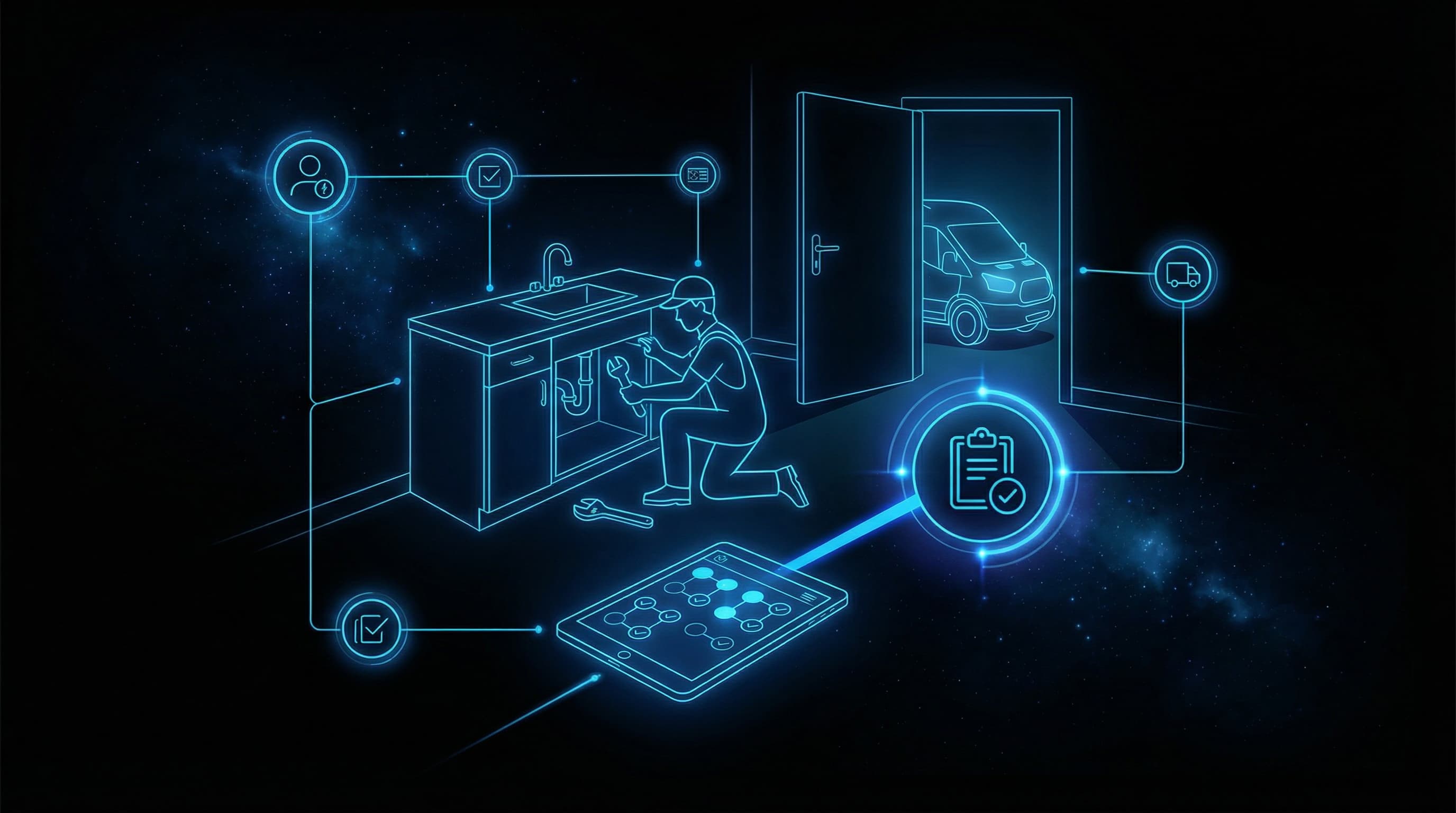
Elevasis connects to your field service platform and triggers follow-up sequences the instant a technician creates an estimate. The system sends personalized texts and emails at intervals you choose—often day one, day three, and day seven. It detects when customers reply or schedule, then stops the sequence automatically. Each message references the specific job (sewer line repair, water heater replacement, drain cleaning) so it feels personal, not robotic.
How It Works
- 1
Technician Creates Estimate in Your Software
Your plumber finishes the inspection and enters the quote in ServiceTitan, Housecall Pro, or your current system. Elevasis detects the new estimate instantly.
- 2
System Launches Personalized Follow-Up Sequence
Within minutes, the customer receives a text thanking them and confirming the estimate details. The message includes the job type and price—no generic templates.
- 3
Timed Messages Continue Until Response
Day three brings a friendly check-in. Day seven adds urgency about scheduling availability. Each touchpoint keeps your company top-of-mind during the decision window.
- 4
Customer Replies or Schedules the Job
The moment a customer responds, the system stops the sequence and alerts your office. Questions route to staff; approvals flow straight to scheduling.
- 5
Closed Jobs Update Your Dashboard Automatically
Elevasis tracks which estimates converted. You see recovered revenue, response rates, and which job types close fastest—all without manual data entry.
Results
Plumbing companies using automated estimate follow-up recover 20-30% of previously lost quotes. Teams close jobs 35% faster than firms relying on manual outreach. Office staff save 2-4 hours daily on follow-up calls and texts. Each recovered $10,000 repipe or $1,700 water heater replacement drops straight to the bottom line.
Frequently Asked Questions
After a technician delivers an estimate for repiping, water heaters, sewer lines, or other big-ticket work, the system automatically sends a sequence of follow-up messages. The first touch goes out within hours, followed by strategically timed reminders over the next 2-4 weeks. Each message addresses common hesitations like financing options, warranty details, and urgency factors specific to the job type.
Most plumbing companies recover 20-30% of previously lost high-ticket estimates within the first 90 days. On jobs averaging $3,000-$15,000 like repiping or sewer line replacement, that translates to significant recovered revenue. The system also saves 2-4 hours of daily admin time your team currently spends on manual follow-up calls and texts.
The system uses smart timing and varied messaging — not repetitive reminders. Touches include helpful content like maintenance tips, financing options, and seasonal urgency factors rather than aggressive sales pitches. Customers can opt out at any point, and the sequence automatically stops when someone books or explicitly declines. Most customers appreciate the helpful follow-through.
Yes, sequences are customized by job category. A water heater replacement follow-up emphasizes urgency and efficiency savings, while a repiping sequence focuses on long-term value and financing. Sewer line estimates might highlight the risks of delaying repair. Each sequence uses messaging tailored to the specific concerns and decision timeline for that job type.
The system connects with most field service management platforms to automatically detect new estimates. When a tech creates an estimate in your software, the follow-up sequence triggers without any manual steps. If a customer responds or books, the status updates flow back into your system. Your team sees everything in their existing workflow.
Setup typically takes about one week. The first few days cover integration with your field service software and customizing message templates for your common job types. You'll review and approve all messaging before anything goes live. Most plumbing companies see their first recovered estimate within the first two weeks of operation.
Ready to Automate Your Business?
Show me how automated follow-up recovers lost estimates—book a 15-minute demo.